Brother Jay Learns Meekness and Firmness from Caring Healthcare Professionals


OK!  So where has Brother Jay been since March?  I was on dialysis for three months.  But my kidney function improved.  It’s not perfect, but it works.  Doctor says I may need dialysis in the future, but not for now.

I miss the people in the dialysis center.  You get the same people scheduled at the same time, after a while you become family.  The patients were very nice.Male Doctor Holding Clipboard

What can I say about the staff?  Nurses, technicians, doctors and administration were the most delightfully people I Dialysis device with rotating pumps.have ever had the pleasure of meeting.  Best of all, they knew what they were doing, and everyone walked by and greeted you.  For me, it was an example of Christian service.

Let’s stop and think how often we lose our patience with a spouse, a child, an older parent, or a disabled family member.  Do we remember that Mary, the Mother of the Lord, did a charitable act going to Elizabeth, even though she was pregnant too?  Read the Magnificat in Luke’s Gospel.  Mary begins saying, “My soul magnifies the Lord and my spirit rejoices in God my savior.”  She doesn’t begin the conversation telling Elizabeth how tired she was.  Riding on camels and donkeys, up to the highlands of Palestine was not an easy trip.  Then there was always the fear of highway robbers.  We never hear Mary complain.  However, let us not confuse meekness with weakness.

Going back to the dialysis center, the staff was very meek and gentle, but when they had to be demanding with the patients, they could be very straightforward, without being rude or authoritarian.  They often gave the patient a choice between A and B, explaining the risks involved in both choices.  They stepped back and let you discern what you wanted to do.  Every choice had to be explained.  You couldn’t choose A because it sounded better than B.  You were expected to explain why you believed A was better than B for you.

Let’s go back to the Mother of the Lord.  When Jesus was 12-years old, he, Mary and Joseph made a family pilgrimage to Jerusalem.  On the third day of the return trip, Joseph and Mary realize that Jesus was not with them.  They retrace their travels back to Jerusalem, hoping to find him.  When they find him, something very interesting happened.

It is not Joseph who asks Jesus to explain himself, which would have been his right as the patriarch of the Holy Family.  It was his mother who spoke up.  This was at a time in Jewish history when women didn’t speak before their husbands.  They certainly could not walk freely around the temple.  Certain parts were off limits to women.

Mary does not concern herself with man-made laws.  She was a mother, concerned for her son.  When she finds him, her dialogue with him is not as poetic as her dialogue with Elizabeth.  She said, “Why have you done this to us?  Don’t you know that your father and I have been looking for you for three days?”

Mary is very firm with her son.  She wants an explanation; but she does not raise her voice or humiliate Jesus to release their anxiety or vent their anger.  She simply laid out the facts.  When Jesus responded, she didn’t quite understand his response.  “Don’t you know that I am about my Father’s work?”  Then he went and was obedient unto them.”

Granted, we’re not all are Mary and Joseph and not every child is Jesus, but the lesson remains applicable.  A truly caring person, whether it’s a parent or a nurse, knoRelated imagews the difference between being clear and firm, and being punitive and unwilling to listen to the other person.

In both scenarios, Mary models for us what I call “grace filled behavior.”  She doesn’t complain about her trip from Nazareth to Elizabeth’s.  She acknowledges that all the good that has surrounded her during her entire life, comes from God.  She doesn’t assault her son with questions and whining about the fear they experienced.  This would be very typical of us.  She asks him what she wants to know.  When he answers, she acknowledges that it’s a reasonable response and says nothing more.  She treasures these things in her heart.

The people that I met at the dialysis center, often reminded me of Mary.  I took every opportunity to let them know.  Most, even the Catholics, don’t connect the dots between the life of Jesus, Mary and Joseph and their lives today.  Humanity does not change as quickly as technology and fashions do.

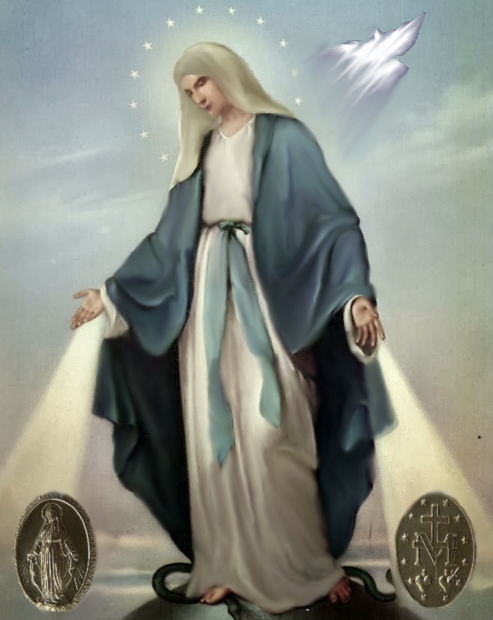
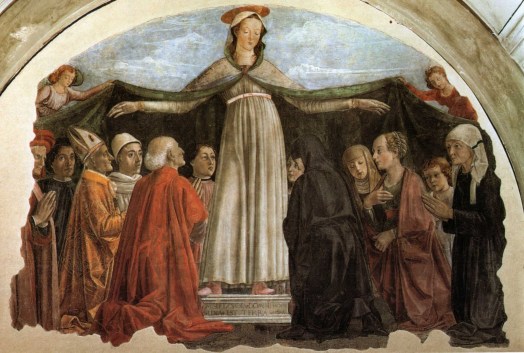
When Mary plays a role in our lives, meaning that she’s not just a holy woman whom we crown every year in May and place her in a manger at Christmas, we experience how real she is in our lives.  She is alive in body and soul, always near us, hoping that we call on her to teach us meekness and firmness or strength, without the shouting, insults, complaining, and punishment that can often do incredible damage to a relationship between two people.
Related image


Let the Children Come


So, the United States allegedly now has more than 2,000 children at different facilities, where they remain separated from their families.  What are Christians to think about this situation?

There is a moral question that must be answered before proceeding to what the law allows and does not allow.  As Catholics we should always “Give to Caesar what belongs to him and give to God what belongs to him.”

The Law

          The first thing that belongs to God is the law. If we refer to Thomas More and John Fisher, who publicly stated that they were loyal servants of the King, but God’s first and Henry VIII had both executed.

            Scripture proves to us that one cannot violate God’s laws to obey those of the State when they’re in conflict.  This does not mean that we go out and put his or head on the chopping block.  “The only thing necessary for the triumph of evil is for good men to do nothing.”  If the act or forcefully separating a child from his parent or other relative, is not a neutral act.  We’re talking about separating children from parents who can care for them.   As to those who execute the separation, we have no right to judge as good or evil, until they have been examined by a jury and judge.

The Franciscans of Life first seek to fulfill and proclaim God’s laws concerning human life concerning what the Gospel of Life has to say about life outside the womb.  It is equally sacred, has human rights, and, freedom to make choices, when we reach an age where we can reason for ourselves.  Children have a right to be part of their family if it’s safe.  Parents who have a proven track record of caring for their children, have a God-given right to care for and raise their children.

Daniel Soñé Photography

Children are a gift from God to a man and a woman.  Parenting is often the humanizing trigger in life of the parent.  If we take away from man that which makes him more human we create dangerous people

God gives us civil leaders to guide us in the fulfillment of his commands.  When those civil leaders are out of sync with revealed moral law, citizens with a well-formed moral conscience have the right and duty to insist that the government exercise restraint and good will.

Jews, Christians and Muslims agree that God reveals his law through prophets and their disciples.  Christians know that God revealed his will for humanity through his son, Jesus Christ as well.  He also made use of many great men and women through the centuries.

Good citizenship calls for us to exercise good moral judgment, before considering the law of the State.  God’s law always sets the path that human law must follow.  We must be ready to inform our leaders when they lose sight of the path.  Very often it’s because our leaders do not know God’s position on certain subject.

Rebelling won’t help get these kids back to Mom and Dad, reasonable dialogue and the desire on both parties to find the right path, not outdo each other will.  “Let the children come to me,” says the New Testament.  Muslim, Jew or Christian children first contact with God is through the lessons on justice, peace, and compassion they learn from through their parents.  Our first encounter with God should always be through our parents and family, not in a holding tents.

Undocumented migrant children detained and separated from their parents, waiting to be reunited. Reuters

Published in: on June 26, 2018 at 7:43 PM  Comments (1)  

Human Trafficking in Our Community


A Respect Life Event

You Are Invited!

For reservations, please see the number in the flyer. There is also a Facebook page.

Please feel free to share this event ( JPEG, PDF, link 1, link 2, link 3).

[Click to Zoom]

Admission ticket will benefit the charitable works of the North Broward (Margate) Pregnancy Help Center, where pregnant mothers and fathers receive FREE support, education, and assistance.

Published in: on May 4, 2018 at 4:38 PM  Leave a Comment  

I’M STILL HERE . . . BLAME IT ON GRACE


All things are possible, if you do whatever he tells you.

I’m finally back to work.  I’m starting off slowly, as I gain my strength.   Being healed is one thing.  Recovery is something else.  Up to today I can get in and out of bed without assistance, dress myself, wash dishes and cook dinner all while in a wheelchair.  Brothers Chris and Bernie were are always attentive to my needs, especially Brother Bernie.  I don’t know how the man does it.  He teaches college, religious education and takes communion to the sick at the local hospital.  On top of that, he has prayer commitments and household chores.  However, he always has time to give me hand when I’m stuck.  I get stuck quite easily and sometimes its comical.

One day I was coming out of the cell, in the wheelchair.  As I left the cell, I turned my chair around, 180 0.  I had never noticed the narrowness of the corridor outside to the cell.  Needles to say, I spent almost 15 minutes trying to turn myself around to go in the right direction and I always ended up facing either the bathroom door or the cell door.  Apparently, I crashed into the walls and door so much that it attracted attention and another brother had to rescue me or I would still be swiveling from side to side in a narrow corridor.

Yesterday, we had our weekly community meeting.  The discussion centered on putting everything in the hands of Christ and his mother.  As we took turns talking, one of the brothers referred to something interesting that happened to me as I was crashing to my death.  Brother said, “If that had been me, I would have been asking God ‘Where are you?’ “Or I would be concerned with what’s happening.  My blood pressure was crashing, my kidneys stops working.  I stopped breathing and had to be intubated.

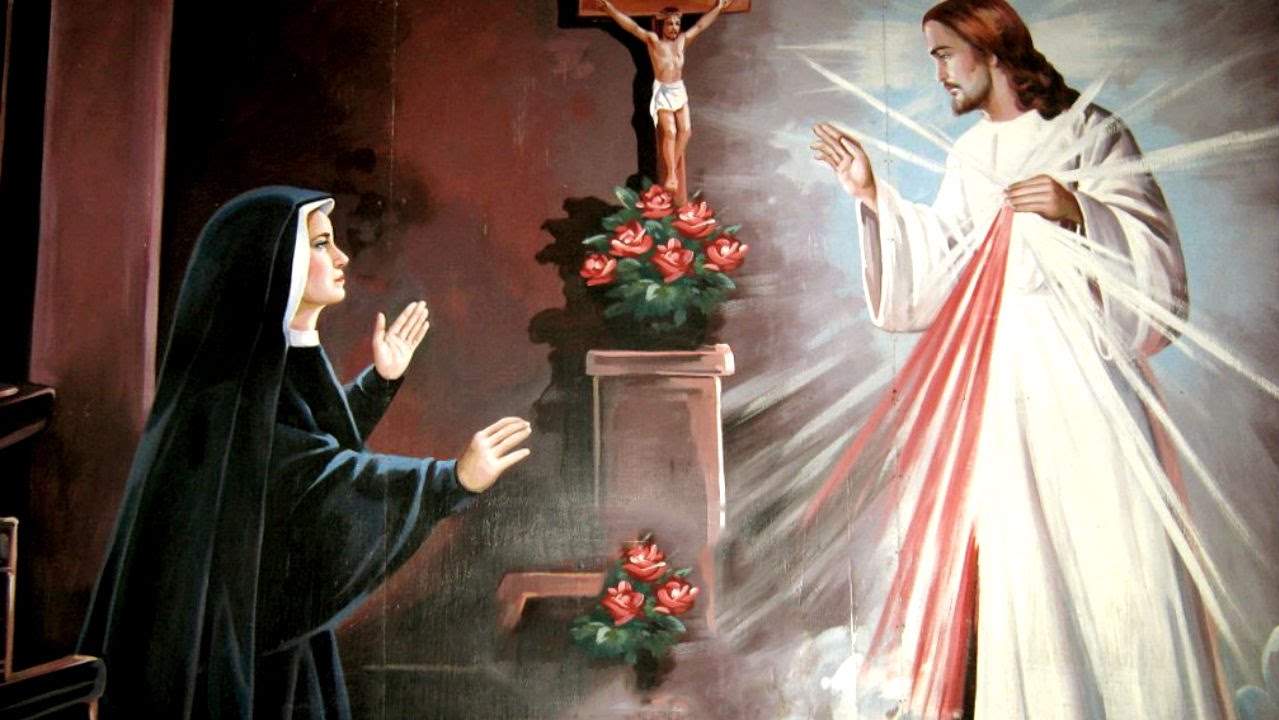
Now comes the part that interested me.  Brother said that I had not said a word from the time they rolled me out of the emergency room into ICU.  As I was losing air I said, “Pray with me.” He says that I could hardly be understood.  He asked me if I wanted to pray the Rosary and I nodded “no”.  He then asked me if Related imageI wanted to pray the Chaplet of Divine Mercy and I nodded “yes”.  We started to pray the chaplet.  Brother remembers that my voice faded out and the doctor and nurses moved in with all kinds of gadgets to assist my breathing.  Nothing worked.  It was decided to put a respiratory tube down my throat.  If that didn’t work the next step would be to let me go.  The doctors and my family had done everything humanly possible to keep me alive.  They followed Pope John Paul’s example to the tiniest detail.  A tracheotomy would have been an extraordinary measure, without any guarantee that it would work.

As Brother was sharing what he saw and what we did in ICU, he and the other brothers expressed amazement that I had not called out to the doctor for help.  I don’t remember any of this.  But apparently, I never panicked as my organs were shutting down and allegedly I had a look of peace.  While I was in a coma, I remember being in a room with other deceased people.  There was only one way out and it was guarded.  I saw dark shadows come toward me.  I my state of mind I believed that I had died, and these were demons casting lures for my soul.  As they got closer I began to pray, “Holy Mary, Mother of God, pray for us sinners, now and at the hour of our death.”  I had great confidence that no evil could touch me under the care of the Immaculate Virgin Mary.  As I prayed the second part of the Ave Maria, I thought to myself, “Try to get past her.”  Her being the Immaculate.

I remember looking toward the Blessed Mother, who stood quietly at my feet. I think she was praying; but I am not sure.  Coming from the same direction that the Immaculate had come, came St. Teresa of Calcutta.  At first, I made sure that it was her and not an evil spirit trying to trick me.  When I looked into her eyes, I recognized the depth of her love.  Which was the case when she was alive.  Her eyes always spoke of love.  I don’t remember if I said it or I thought it.  The words that came out of my mouth were, “Mother Teresa, you picked up the homeless and the dying from the streets and gave them a home where they could meet God as human beings, not animals.”


With that, she touched me.  She touched along the sides of my kidney.  She placed her frail old hands on my chest and finally, she signaled that I could leave.  But she didn’t speak, neither did the Immaculate.  All the communication took place without words.  I can’t explain this.

I DON’T claim this to be miracle or and end of life experience; but I’m not sure that it was a dream either.  After more than two weeks, I opened my eyes and tried to recognize everyone standing around me.  I saw my brothers and the medical team.  I couldn’t speak clearly, so I communicated with my eyes and my hand that I wanted the brothers to call my friend, Father Jeff.  When arrived he told me that he has already given me all the sacraments that I needed for a Christian death.  But I wanted to tell him about the Immaculate and St. Teresa of Calcutta.  Given that a breathing tube has just been pulled out of my mouth, I could only make sounds.  We talked and finally he gave me his blessing.

If we fast forward to last night, one of the brothers said to me.  “The only thing that you did was to pray.  Everything else was the work of  Grace.”  I sincerely believe this.  If we place our lives in the hands of the Immaculate at the foot of the altar, she will always command the angels and saints to fulfill God’s will for us.  But she will never leave us.  She will find a way to make us “presentable” before her son.  But we must be willing to be John, the Beloved Disciple who stood by her at the foot of the cross and embraced her as MOTHER.

Published in: on April 24, 2018 at 3:14 PM  Comments (7)  

Something Missing


Let me wish all our readers a Happy and Blessed Easter season.  Moving right along, I have heard several sermons and talks on the meaning of the Resurrection of the Lord, but something has been missing.  I believe that I may have figured out what has been missing for me.  One of the several gospels read on Easter Sunday includes the meeting of Mary Magdalen and Jesus in the garden and the race to see the tomb with their own eyes by Peter and John.  But there are some key details in John’s gospel that cannot be ignored, especially these days when people often believe that the Resurrection was a spiritual event rather than a truly physical rising from the dead.

Let us examine facts handed down to us by those who saw.  It’s interesting, if someone delivers a lecture on the structure of the atom or the source of human chromosomes, we accept as fact, what someone closer to the subject says even when their statements are theories that have yet to be Image result for empty tombobserved through human experience.  This is not the case of John’s resurrection narrative.  Every statement was made by an eye witness, followed by many other witnesses.

When Mary Magdalen peers into the tomb, there is no corpse.  In the garden, she encountered a man whom she believed to be the caretaker and asked him where they had taken Jesus’ body.  But when the man responds, Mary’s eyes are opened, and she recognizes Jesus Christ.  She runs to the apostles and delivers the Good News, “I have seen . . .”   She does not describe Christ to be any different from before he was crucified, except for his wounds.

John tells us that Peter and the Beloved Disciple ran to the tomb, with the beloved disciple arriving first, because he was younger and faster. He does not enter the tomb until Peter arrives.  In this simple act of respect, John points to the Image result for empty tombprimacy of Peter, an honor never applied to any other apostle.  Peter is always first.

Both men probably went to the tomb with mixed feelings.  The body could have been stolen or Jesus was truly alive.

Here we run into small but crucial details. Peter enters the tomb.  Apparently, John stood closer to the exit.  It is he who reports that the shroud laid neatly on the slab where Jesus’ body rested.  But there was another important detail.  The veil used to cover the face of the deceased was not with the shroud.

As John looks around, he sees the veil on another shelf, neatly folded.  This begs the question, since when do grave robbers tidy up after they snatch a corpse?  Robbers would have probably wrapped the body in the shroud to hide the identity of deceased, if they ran into anyone; but this is not what happened.  The tomb was left in perfect order.Image result for empty tomb

The evangelists testify that Jesus appeared before them in the upper room, but came through the wall, not an open door.  If this point stood alone, one could consider the Resurrection a spiritual event or even a symbolic story to drive home the point that Jesus is alive.  But what happens after these sudden appearances of Jesus among the disciples and the travelers to Emmaus leave no doubt that they saw a physical Jesus, with a body scarred by the wounds of the cross.

In one narrative Jesus invites Thomas to place his hands inside the wounds.  On another occasion, Jesus asks the apostles for something to eat.  Spirits don’t eat.  They have to nutritional requirements.

The two travelers on their way to Emmaus reported that they had met a MAN.  He walked with them and spoke to them.  But they did not recognize him until be breaking of the bread.  It is at this point in the meal when the words of consecration are spoken.  “This is my body . . . This is the cup of my blood.”

First, those words had been spoken only by Jesus.  The Apostles were present at the Last Supper, but we are not told that there were strangers in the room with them.  Only the apostles and Jesus knew those words.  But here was a man who appeared to be a stranger repeating those words at the precise moment during the meal where Jesus first said these words, at the breaking of the bread.

The travelers then realized that this was truly Jesus who walked and talked to them as he explained the scriptures and then disappear.  This was not a spirit, but a real man of flesh and blood.  Yet, he could disappear in an instant.  Somehow, some way, this body had been stripped of human limitations.  He no longer needed to walk long distances, knock on the door or eat.  These narratives were handed down to the first-generation Christians by people who had seen Jesus alive, Matthew, John, Peter and by people who trusted the credibility of the eye witnesses.

There are too many details to include in one sermon, but some of the more salient ones could have helped those who still have doubts about the historical reality that was the Resurrection.  Unfortunately, too many preachers have failed to mention the greatest truth of all.  Jesus rose from the dead, was seen by others to whom he chose to reveal himself and there are details in the Gospels and other first century writings that are very important, such as the orderly tomb, and the invitation to Thomas to put his finger into the pierced hand of Jesus.

We must always remember that Christ died and rose for our benefit, to remove the shackles of Adam’s sin and open the gates of heaven for the just. This time of year, catechists, preachers and leaders must always remember to emphatically place the risen Christ in human history.  This single fact changed the course of world history.  People forget these things.   If they are not spelled out during Easter.  There will be something missing in the message.


Published in: on April 7, 2018 at 1:34 PM  Comments (2)  

Prayer request


In your kindness please pray for our Superior, Br Jay, who is currently very sick.

*** Update 2/24 Br Jay “graduated” from the acute rehab center and is back at the Motherhouse 🙂 God bless you for your prayers and support during this difficult time. ***

** Update 2/14 Br. Jay begins his Lent in an acute rehab facility to perform occupational and physical therapy. If God wills, he will continue recovering and will be able to come back to the Motherhouse soon. **

** Update 2/11 There has been significant improvement in Br. Jay’s health. He is still in the hospital but undergoing physical therapy. He thanks you all for the ongoing prayers. May God continue to strengthen him. **

** Update 2/5 11 PM Our Superior is out of critical care but still hospitalized. He is very grateful to all. Praying that he regain strength. **

** Update 2/2 11 PM No major changes. Every day the numbers show a bit of improvement. However please pray in a special way for removal of ventilator. Your prayers are efficacious – thank you! **

** Update 1/29 5 PM Things keep improving a bit at a time. Please keep praying for Br. Jay who is still in critical care, and for those who are overseeing his healthcare. **

** Update 1/28 4 PM More signs of improvement. **

** Update 1/27 12 noon Slight signs of improvement. **

** Update 1/26 3:00 AM Br. Jay’s secondary issue (breathing) deteriorated, requiring additional critical care. Praying for continuation of recovery. **

** Update 1/24 4:00 AM Br. Jay’s condition has shown a significant improvement. Still in ICU. Please pray for his breathing to stabilize, if it be God’s will. Br. Jay expresses his gratitude to everyone who has been praying for him and touching base with us. **

** Update 1/23 11:30 AM Br. Jay’s condition has improved a little bit. Still very sick. Prayers greatly appreciated. **


¿Podremos Salvarnos de nosotros mismos?


English version:  CAN WE SAVE US FROM OURSELVES? 

Esta semana, muchas personas han escrito sobre la causa de justicia social representada por el Reverendo Martin Luther King, Jr. Es bueno recordar la importancia y la necesidad de que aún debemos vencer el odio y las diferentes formas de prejuicio. Además, hay marchas pro-vida, discursos y manifestaciones en todo el país, a pesar de las bajas temperaturas en algunas ciudades. No piense que Dios no nota tal sacrificio. Estos sacrificios son más significativos para él que los “holocaustos”.

A medida que avanzamos, es importante mirar hacia atrás. El que no mira hacia atrás para ver dónde ha estado y el progreso que ha hecho, no tiene idea de qué tan lejos llegar y cuánto más debe hacer. El problema provida es uno de los que debe examinarse en el contexto de una tradición de derechos humanos bien establecida.

Esta semana no es una protesta política contra el aborto, contra el racismo, contra la eutanasia o cualquier otra violación. Si reducimos nuestro lenguaje, nuestra actividad y limitamos todos nuestros recursos para derrocar el aborto y las leyes de eutanasia, existe la posibilidad de que esas leyes nos acompañen por mucho tiempo y puedan afectar muchas más vidas.

Debemos educar a otros. Hay quienes para quien el racismo, el aborto, la eutanasia, la trata de personas y otros crímenes atroces sean “guerras de la cultura católica” o “guerras culturales negras” o cualquier otra guerra cultural que podamos imaginar. Nuestro principal deber moral es ayudar a hombres y mujeres de todas las edades, todas las religiones, todos los grupos étnicos, todos los ámbitos de la vida y cualquier preferencia sexual a abrazar el DERECHO A LA VIDA, no crear más divisiones y más guerras. El derecho a la vida comienza con el derecho a nacer. Pero no debemos sentirnos cómodos porque la cantidad de abortos está disminuyendo mientras que la cantidad de personas mayores, enfermas y discapacitadas que están siendo sometidas a eutanasia está aumentando.

No podemos sentirnos demasiado cómodos con la idea de que personas de color, caucásicas y personas de diversas culturas puedan coexistir en cualquier comunidad. Eso es solo una ilusión. El hombre viene al mundo para más que convivir con otros hombres. El hombre viene al mundo a vivir. Somos el resultado de un principio natural básico llamado “generatividad”, del término “génesis”. Cuando interferimos con el nacimiento, la vida y la muerte, en lugar de seguir las leyes incorporadas en la naturaleza, nos encontramos haciendo lo antinatural. Negar a alguien el derecho de nacer y otorgarle a alguien el derecho de tomar la vida de otra persona o ayudar a otra a quitarse la vida, es un intento irracional de parte de la humanidad que pretende dominar la naturaleza.

Si bien es cierto que no somos bestias del campo que viven y cazan por instinto, somos criaturas de la Tierra. Si ese no fuera el caso, no estaríamos tan agobiados por la ansiedad sobre el medio ambiente y el futuro del ecosistema. Estos son importantes para nosotros ¿Por qué? Consciente o inconscientemente, reconocemos que somos parte del mundo natural y que el mundo natural es necesario para el desarrollo individual y comunitario.

En algún nivel, sabemos que somos seres naturales; entonces, luchamos para preservar el medio ambiente que necesitamos para prosperar. Negarle a un ser humano el derecho a nacer, el derecho a agua y alimentación, en lugar de cuidar del otro hasta que muera sin que nosotros los empujemos por un precipicio, es suponer que tenemos dominio absoluto sobre la misma naturaleza de la cual formamos parte.

Somos parte de la humanidad o somos dueños de la humanidad. La mano no tiene derecho a despedir al pulmón. Tampoco el oído tiene el derecho de despedir al pie. Cada uno es parte de un ser. El hombre o la mujer que autoriza el asesinato del niño, los enfermos, ancianos y discapacitados o que lleva a cabo tal acto, se ha puesto a sí misma por encima de la humanidad.

Un hombre o una mujer que gasta energía en el “derecho a terminar con la vida” en el útero o años después del nacimiento, pretended que ya no comparte la naturaleza humana. Esa persona se ha engañado a sí mismo y a los demás. Muchos creen que aquel que puede terminar una vida o sabotear un nacimiento es una persona poderosa. La verdad es muy diferente. Tal persona es un cobarde que le teme a la humanidad.  Dicho miedo los lleva a buscar dominio y el “derecho” a la intervención sobre quién nace, quién vive y cuándo otros mueren.

Los esfuerzos combinados del Dr. King y el movimiento Pro-vida tienen un solo objetivo y un solo fin: salvarnos de nosotros mismos.


Published in: on January 22, 2018 at 11:39 AM  Comments (1)  

CAN WE SAVE US FROM OURSELVES?


¿Podremos Salvarnos de nosotros mismos?   Versión en español

This week, many people have written about the social justice cause represented by the Rev. Martin Luther King, Jr.  It’s good to remember the importance, and the need that we still have, to conquer hatred and different forms of prejudice.  Also, there are pro-life marches, speeches and demonstrations around the country, despite the freezing temperatures in some cities.  Don’t think that God does not notice such a sacrifice.  These sacrifices are more meaningful to him than “burnt offerings.”

As we progress forward, it’s important to look back.  One who does not look back to see where he’s been and the progress he has made, has no sense of how far to go and how much more he must do.  The pro-life issue is one of those that must be examined within the context of an established tradition of human rights.

This week is not a political protest against abortion, against racism, against euthanasia or any other violation.  If we narrow down our language, our activity, and limit all our resources to overthrow abortion and euthanasia laws, there is a possibility that such laws will be with us for a long time and may affect many more lives.

We must educate others.  There are those who make racism, abortion, euthanasia, human trafficking and other heinous crimes “Catholic Culture Wars” or “Black Culture Wars” or any other culture war that we can imagine.

Our primary moral duty is to help men and women of every age, every faith, every ethnic group, every walk of life and any sexual preference embrace the RIGHT TO LIFE, not create more divisions and more wars.  The Right to Life begins with the right to be born.  But we must not get comfortable because the number of abortion is decreasing while the number of older, sick and disabled people being euthanized is rising.

We can’t get too comfortable with the idea that People of Color, Caucasians, and people of diverse cultures can coexist in any community.  That’s just wishful thinking.  Man comes into the world to do more than coexist with other men.  Man comes into the world to live.  We are the result of a basic natural principle called, “generativity”, from the term “genesis”.  When we interfere with birth, life and death, instead of following the laws built into nature, we find ourselves doing the unnatural.  To deny someone the right to be born and to grant someone the right to take another person’s life or help another take his or her life, is an irrational attempt on the part of humanity to dominate nature.

While it’s true that we’re not beasts of the fields who live and hunt on instinct, we are creatures of the Earth.  If that were not the case, then we would not be so consumed by anxiety over the environment and the future of the eco-system.  These are important to us.  Why?  Consciously or unconsciously, we recognize that we are part of the natural world and that the natural world is necessary for individual and communal growth.

At some level, we know that we are natural beings; so, we fight to preserve the environment that we need to prosper.  To deny a human being the right to be born, the right to care and support until that person dies without us pushing them over a cliff, is to assume that we are masters over the very nature of which we are part.  Either we are part of humanity or we are masters of humanity.  The hand has no right to dismiss the lung.  Nor does the ear have a right to dismiss the foot.  Each is part of a whole.  The man or woman who authorizes the killing of the preborn child, the sick, the elderly and the disabled or who carries out such an act, that person has placed himself or herself above humanity.

A man or woman who expends energy on the “right to terminate life” in the womb or years after birth, such a person no longer shares in human nature.  That person has deceived himself and others.  Everyone now believes that a person who can terminate a life or sabotage a birth is a person of power.  The truth is very different.  Such a person is filled with fear, fear of humanity.  It is in their best interested to have some control over who is born, who lives and when others die.

The combined efforts of Dr. King and the Pro-life movement have one goal and one goal only, to save us from ourselves.

Contemplando el Pesebre Desde Una Ventana Franciscana


[English version]

advent2016d

Querida familia:

A medida que se acerca la temporada de Navidad, sentí que debería contribuir una publicación estimulante sobre el significado de la Navidad. Cuanto más pensaba en ello, menos palabras me venían a la mente. Supongo que mucho de lo que puedo decir sobre Navidad se ha dicho mucho más elocuentemente. Es difícil encontrar algo diferente.

Entonces, pensé que compartiría una teología a través de la historia; algo que aprendí de San Agustín y Joseph Ratzinger.

No automatic alt text available.Ahora, el primer pesebre de Navidad fue creado por San Francisco de Asís, después de su peregrinación a Tierra Santa. Algunos historiadores colocan este acontecimiento alrededor del año 1223.  Por 794 años, la familia franciscana ha representado a Belén, como la entendió San Francisco.
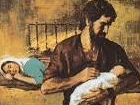
Esto es importante. Su punto de referencia fue lo que vio en Tierra Santa, lo que leyó st josephen la Sagrada Escritura y la descripción que le transmitió la tradición oral. Esto no significa que su representación de la Natividad sea incorrecta. Al contrario, es la representación más confiable del nacimiento de Cristo, porque San Francisco extrajo de varias fuentes, incluyendo lo que vio con sus propios ojos en Tierra Santa. Cuanto más detalles se tengan sobre un evento, mayores son los puntos de consistencia y más diferencias entre las narraciones.
¡Seamos cuidadosos! Estamos hablando sobre diferencias en las narrativas, no sobre contradicciones. Ninguna de las narraciones del nacimiento de Cristo contradice la otra. Cada una contiene algún detalle que no se menciona en otra fuente: tradición bíblica, oral o arte. Pero se ajustan como piezas de un rompecabezas. Esto hace que la representación de S. Francisco de la Natividad sea una de las más confiables de la historia. Combinó todas las fuentes que él conocía, rellenando los vacíos de una fuente, con información de otra fuente. Uno puede preguntarse a sí mismo: “¿Por qué el hermano nos dice esto?”

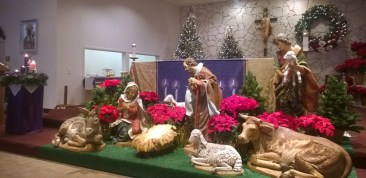
WP_20151220_001Todos los años, las iglesias y los hogares exhiben el nacimiento con diferentes medios artísticos. Desafortunadamente, algunas representaciones, a pesar de que son bellas, incluyen elementos que no son históricos, como el Papá Noel venerando al Mesías recién nacido o pequeños pueblos, completos con trenes. Aún más común es inserción de nieve o de las figuras de los Magos venerando al Rey recién nacido.
Cuando San Francisco reconstruyó el primer pesebre, lo hizo por razones de devoción y para enseñar una catequesis sólida.

Primero: era prácticamente imposible que a los cristianos se les permitiera entrar a Tierra Santa en peregrinación a los sitios importantes de nuestra historia de salvación.

Muchos cristianos habían olvidado partes de la historia de Navidad y algunas personas habían agregado o eliminado de la historia original.

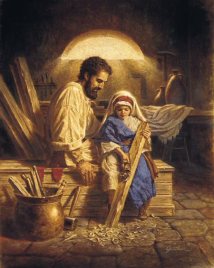
Segundo: muchos europeos eran analfabetos. Los pocos que sabían leer, a menudo carecían de competencia Joseph fatherhoodsuficiente en griego y latín como para entender la Sagrada Escritura. Estos contribuyeron al inicio de mitos sobre la Natividad. Cuando uno reemplaza los hechos con la imaginación, uno corre el riesgo de malinterpretar lo que Dios está revelando acerca de sí mismo. Francisco vivió la representación de la Natividad como lo aprendió a través de la experiencia personal y de las diversas fuentes que lo ayudaron a él, a sus hermanos y al mundo a ver la maravilla de la Navidad, en toda su pureza, sencillez, humildad y claridad.

Tercero: San Francisco nos deja ver que el Hijo de Dios vino al mundo como un ser humano real de un vientre humano y “tomó la forma de un esclavo, naciendo un verdadero hombre”, humilde y sin pecado, [aquellos hombres siendo los pastores campesinos que pasaba las noches cuidando las ovejas de sus patrones en cuevas y cabañas impropias para un rey]. Desde el momento en que la Segunda Persona de la Trinidad irrumpió en la historia humana, ingresó al mundo como un hombre pobre que compartía la suerte de los pastores. Ellos no eran dueños de las ovejas. Jesús claramente nos recordó que había venido para hacer la voluntad de Aquel que lo envió, no su voluntad y que él es el Buen Pastor, lo que significa que no es dueño de las ovejas. El Padre posee las ovejas Nosotros pertenecemos al Padre.

Cuarto: El Hijo del Padre adquiere una segunda naturaleza, la naturaleza humana. Se convierte en el Hijo del Catholic, Christ, Christian, ChurchHombre, sin perder su naturaleza divina como la segunda persona de la Santísima Trinidad. Cuando miramos al bebé en el pesebre, como San Francisco, debemos dejar que nuestros ojos, corazones y mentes se concentren en lo que vemos, no en la belleza de las figuras y la exhibición, sino en la belleza más sublime. Desde la caída de Adán, Dios planeó enviar a uno que aplastaría la cabeza del Mal. Debido a que el hombre existe en el tiempo y el espacio, la primera alianza debía cumplirse en el tiempo y el espacio.

Cuando San Francisco creó el primer pesebre en vivo, su intención era tan simple como profunda. Debemos mirar hacia Belén y contemplar la bella imagen del Niño Jesús. Contemplemos el misterio de nuestra redención. Dios se convierte en un peón humano para mostrarnos el verdadero significado de la humildad ante Dios. A menos que no nazcamos nuevamente como siervos, en lugar de jefes, no encontraremos a Cristo entre nosotros.

Image may contain: 1 personJesús fue concebido en una oscura aldea en Judea, nació lejos de su tierra madre, en Belén, no en Nazaret, o Jerusalén, donde los reyes hebreos nacieron y se criaron. Él entra en Jerusalén como un rey, para ser ejecutado como un delincuente común entre dos ladrones.
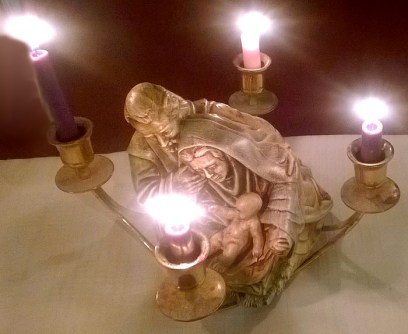
¿Estamos dispuestos y listos para servir y guiar al hombre común como lo hace Cristo?

Que todos nuestros familiares, amigos y hermanos tengan una Navidad que trascienda el mundo que conocemos y alcanze a la Estrella que se acerca desde el Este.

Hno. Jay y los Franciscanos por la Vida

Published in: on December 20, 2017 at 10:55 AM  Leave a Comment  

A FRANCISCAN CONTEMPLATES ON THE CHRISTMAS CRECHE


[Versión en Español]

advent2016d

Dear Family:

As the Christmas season quickly approaches, I felt that I should publish an uplifting blog post on the meaning of Christmas and so forth.  The more that I thought about it, the fewer words came to mind.  I guess that much of what I can say about Christmas has been said much more eloquently. It’s difficult to come up with something different.   So, I thought I’d share a theology through history; which I learned from St. Augustine and Joseph Ratzinger.

For those who don’t No automatic alt text available.know, the first recorded Christmas crèche was created by St. Francis of Assisi, after his pilgrimage to the Holy Land.  Some historians place this around the year 1223.  For 794 years the Franciscan family has represented the nativity scene, as St. Francis understood it.

This is important.  His point of reference was what he saw in the Holy Land, what he read in Sacred Scripture and the description that was handed down by oral tradition.  This does not mean that that st josephFrancis’ representation of the Nativity is wrong.  On the contrary, it is the most reliable representation of the birth of Christ, because St. Francis pulled from several sources, including what he saw with his own eyes in the Holy Land.  The more input one has into an event, the more points of consistency and the more differences between the narratives.  Let’s be careful!  We’re talking about differences in the narratives, not contradictions.  None of the narratives of Christ’s birth contradicts the other.  Each contains a piece of information that is not mentioned in another source:  biblical, oral tradition or art.  They fit together like pieces of a puzzle. This makes St. Francis’ representation of the Nativity one of the most reliable in history.  He combined all of the sources that he knew, filling in the blanks in one source, with information from another source.  One may ask himself, “Why is Brother telling us this?”

WP_20151220_001Every year, churches and homes display the nativity using different artistic mediums.  Unfortunately, some displays, even though they are beautiful, include elements that are not historical, such as Santa venerating the newborn Messiah or little towns, complete with trains.  Even more common, is the addition of snow or the figures of the Magi venerating the newborn King.

When St. Francis recreated the first crèche he did it for some very solid spiritual and devotional reasons.

Joseph fatherhoodFirst:  It was virtually impossible for Christians to enter the Holy Land on pilgrimage to the important sites in our salvation history.  Many Christians had forgotten parts of the Christmas story and some people had added or deleted from the original story.

Second:  Many Europeans were illiterate.  The few that could read often lacked enough proficiency in Greek and Latin need to understand Sacred Scripture.  These contributed to the birth of myths about the Nativity.  When one replaces fact with imagination, one runs the risk of misunderstanding what God is revealing about himself.  Francis’ live representation of the Nativity as he learned from personal experience and the various sources helped him, his brothers and the world to see the wonder of Christmas, in all its purity, simplicity, humility and clarity.

Third:  St. Francis lets us see that the Son of God came into the world as a real human being from a human womb and “took the form of a slave, being born in the likeness of men”, except sin, [those men being the peasant shepherd who spent nights caring for the master’s sheep in caveCatholic, Christ, Christian, Churchs and huts unfit for a king].  From the moment that the Second Person of the Trinity broke into human history, he entered the world as a peasant who shared the lot of shepherds.  It’s important to remember that the shepherds worked for someone else. They did not own the sheep.  Jesus clearly reminded us that he had come to do the will of the One who sent him, not his will and that he is the Good Shepherd, meaning that he doesn’t own the sheep.  The Father owns the sheep.  We belong to the Father.

Fourth: The Son of the Father takes on a second nature, human nature.  He becomes the Son of Man, without forfeiting his divine nature as the second person of the most Holy Trinity.  When we look at the infant in the crèche, like St. Francis, we must let our eyes, hearts and minds focus on what we see, not on the beauty of the figures and the display, but on the more sublime beauty. From the fall of Adam, God planned to send one who would crush the head of Evil.  Because man exists in time and space, the first covenant was to be fulfilled in time and space.

When St. Francis created the first live Nativity scene outside of Palestine his intention was as simple as it was deep.  We must look at the nativity scene and go past the beautiful image of the Baby Jesus.  Let us contemplate on the mystery of our redemption.  God becomes a human peasant to show us the true meaning of humility before God Image may contain: 1 personand man.  Unless we are born again as servants, instead of masters, we shall not find Christ among us.

Jesus was conceived in an obscure village in Judea, was born away from his parental home, in Bethlehem instead of Nazareth, or Jerusalem where the Hebrew kings were traditionally born and raised.   He enters Jerusalem as a king to be executed as a common criminal between thieves.

Are we willing and ready to serve and guide the common man of today, as Jesus was, when he broke into human history?

May all of our family, friends, and brothers have a Christmas that transcends beyond the world that we know and reaches for the Star that approaches from the East.

Br. Jay and the Franciscans of Life

Published in: on December 20, 2017 at 10:54 AM  Leave a Comment